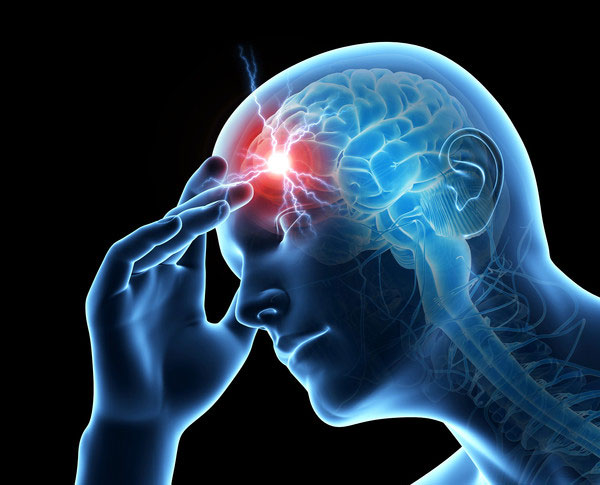
Migraine is a neurological condition that causes intense, throbbing headaches often accompanied by nausea, vomiting, and sensitivity to light or sound. Unlike a regular headache, migraine attacks can last for hours or even days and may interfere with daily activities.
Migraines are more common in women and can be triggered by certain foods, stress, hormonal changes, or environmental factors.
Symptoms
Migraine symptoms typically progress through four stages — though not everyone experiences all of them:
Occurs hours or days before the migraine attack. Symptoms include:
Mood changes (irritability, depression, or euphoria)
Food cravings
Neck stiffness
Frequent yawning
Increased thirst or urination
About 20–25% of migraine sufferers experience aura — reversible nervous system symptoms that appear before or during the headache. These may include:
Visual disturbances (flashing lights, zigzag lines, blind spots)
Tingling or numbness in the face or limbs
Difficulty speaking or understanding speech
The main phase of migraine, lasting from 4 to 72 hours, includes:
Severe, throbbing pain (usually on one side of the head)
Sensitivity to light, sound, or smells
Nausea and vomiting
Blurred vision
Faintness or dizziness
Causes
The exact cause of migraine is not fully understood, but it is believed to involve abnormal brain activity that affects nerve signals, blood flow, and chemical balance in the brain.
1. Genetic Factors
Family history increases the likelihood of developing migraines.
Certain inherited brain sensitivities contribute to migraine susceptibility.
2. Triggers and Environmental Factors
Stress or anxiety
Lack of sleep or irregular sleep patterns
Bright lights, loud noises, or strong odors
Weather changes (especially humidity or barometric pressure shifts)
Hormonal changes in women (during menstruation, pregnancy, or menopause)